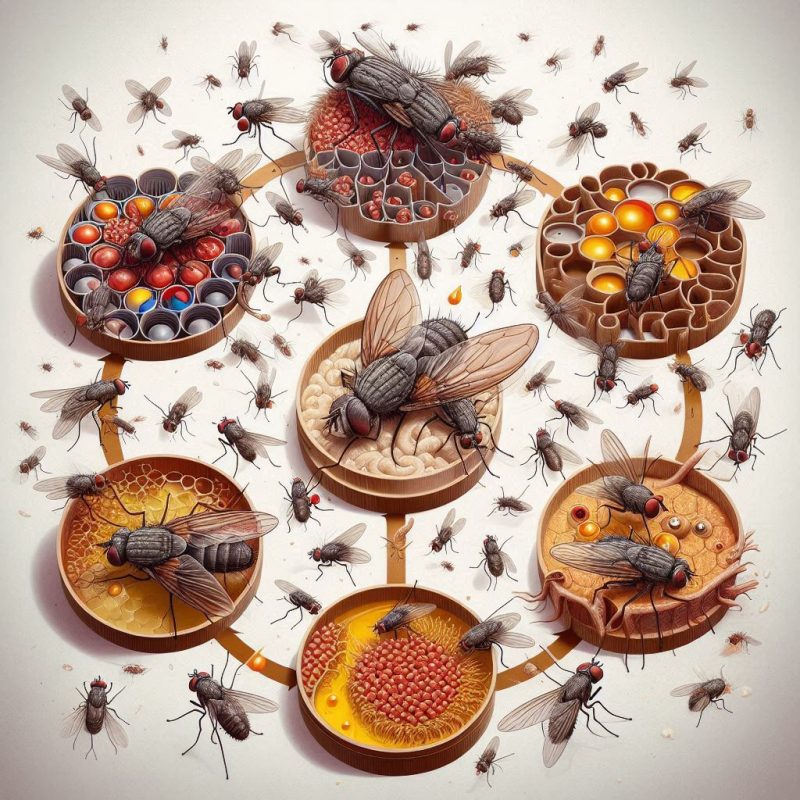
Despite their small size, houseflies can have serious consequences for human health. Because they carry various pathogens, they are a significant threat to public health. Whether found indoors or outdoors, houseflies are often an indicator of unsanitary conditions and can lead to severe illnesses if proper measures aren’t taken. This article explores the health risks associated with houseflies and the importance of fly traps in mitigating these dangers.
Health Risks Posed by Houseflies
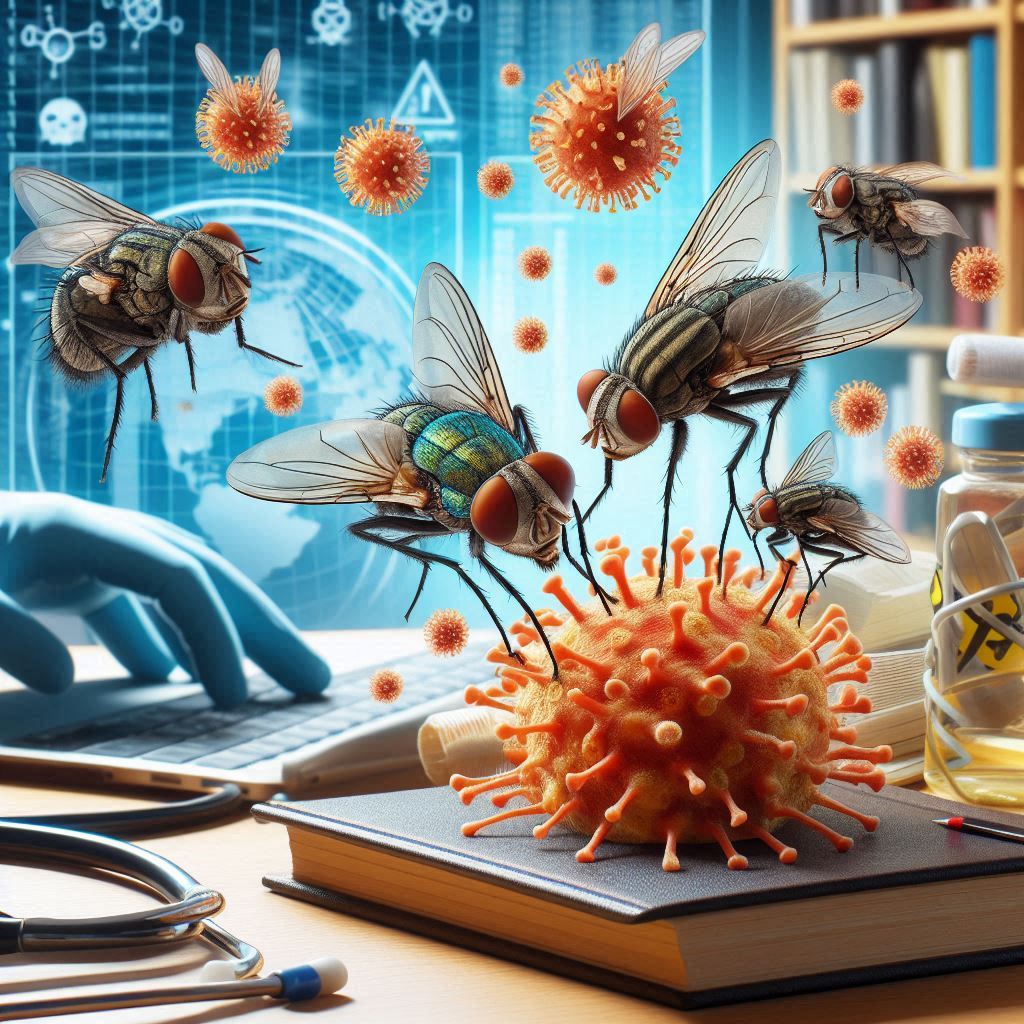
Due to their feeding habits and lifestyles, houseflies are highly susceptible to carrying and spreading bacteria and pathogens. Here are some of the major risks they pose to public health:
Disease Transmission: Houseflies can easily transfer bacteria from their bodies onto food and drinks. They are known vectors for diseases such as dysentery, cholera, and typhoid fever.
Pathogen Spread: After landing on garbage, feces, or other contaminated surfaces, flies can transport pathogens to areas where humans come into contact with them, increasing the risk of bacterial infections.
Food Contamination: Houseflies can directly contaminate food by landing on it, leading to foodborne illnesses and poisoning.
The Importance of Fly Traps
One of the most effective tools for controlling houseflies is fly traps. They play a vital role in reducing fly populations and lowering health risks. Here’s why fly traps are crucial for public health:
Capturing Adult Flies: Traps effectively capture adult houseflies, preventing them from reproducing and reducing infestations.
Maintaining Hygienic Spaces: Outdoor traps help limit fly populations and keep public areas clean.
Eco-Friendly Alternative to Chemicals: Fly traps provide an environmentally friendly solution, reducing reliance on chemical pesticides that may be harmful to human health.
Convenient and Easy to Use: Fly traps are simple to set up and use, making them a preferred option for homes, businesses, and public spaces.
Preventive Measures for Public Health
In addition to fly traps, maintaining hygiene is crucial for effective fly control. Waste and food scraps should be cleaned regularly, standing water should be eliminated, and window screens should be installed to prevent flies from entering buildings. Raising public awareness about the risks associated with houseflies can also encourage proactive prevention.
Housefly control requires not only individual hygiene practices but also collective action to protect public health. Fly traps serve as both an environmentally friendly and highly effective solution in this effort. To ensure a cleaner, healthier living environment, we must never overlook the importance of effective fly control measures.


 admin
admin