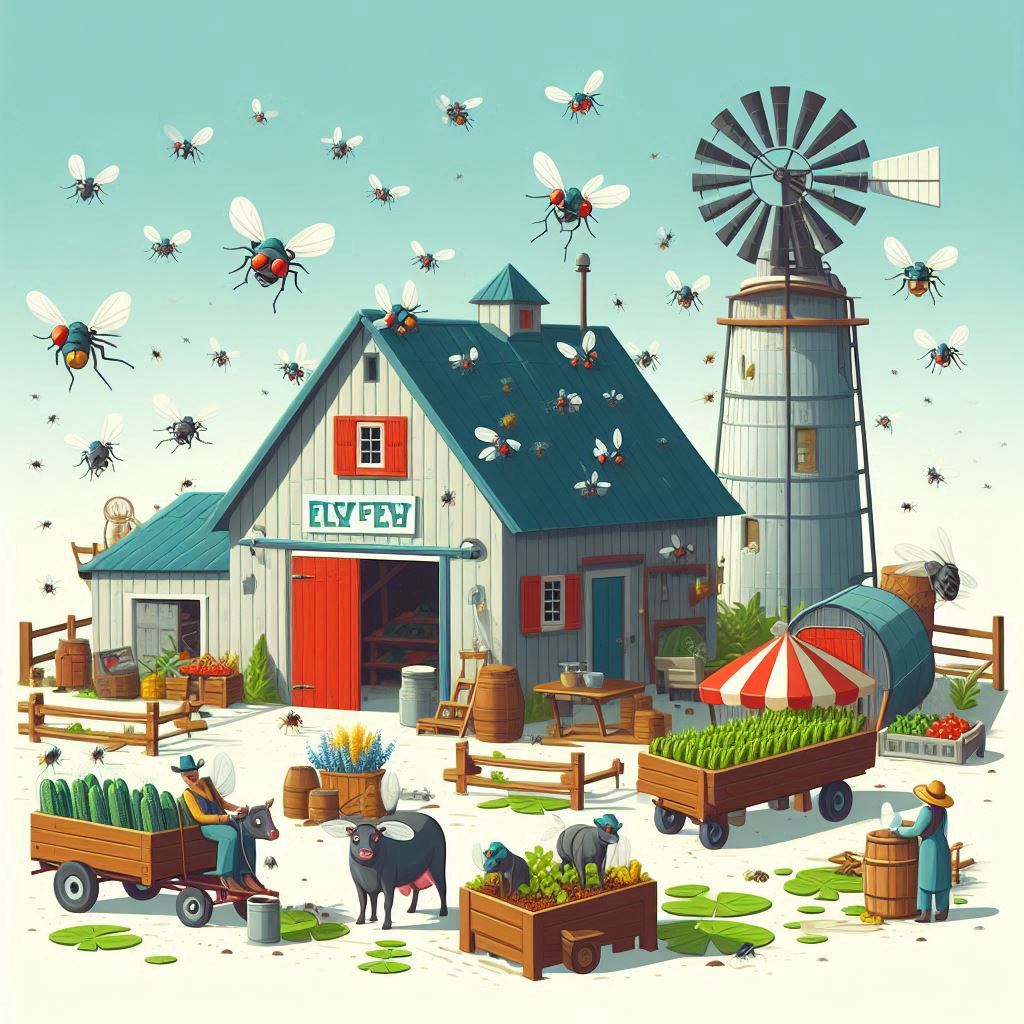
Farms provide an ideal breeding ground for houseflies due to the abundance of livestock and organic materials. These pests not only cause discomfort but also carry diseases that can threaten the health of farm animals. Keeping housefly populations under control is essential for maintaining a cleaner, healthier farm environment. This article explores effective fly control methods and why fly traps are an indispensable tool.
The Role of Hygiene in Housefly Control
Waste Management: Manure and animal waste should be regularly cleaned and properly stored. Leaving organic materials exposed creates perfect breeding conditions for houseflies.
Eliminating Standing Water: Houseflies thrive in moist environments. Any stagnant water on the farm should be drained, and wet areas should be dried.
Maintaining Animal Shelter Hygiene: Barns and stables should be frequently cleaned, ensuring leftover feed and manure are promptly removed.
The Importance of Fly Traps
Fly traps are among the most effective solutions for controlling housefly populations on farms. Here’s how they help:
Capturing Adult Flies: Traps prevent flies from spreading and reproducing across the farm. Sticky boards and pheromone-based traps are particularly effective in farm settings.
Reducing the Need for Chemicals: By offering an eco-friendly solution, fly traps minimize the reliance on insecticides, promoting the health of both livestock and farmworkers.
Ease of Use and High Effectiveness: Fly traps are simple to set up and rapidly decrease fly populations. Electronic traps provide continuous protection, working around the clock.
Strategic Use of Fly Traps
To maximize the efficiency of fly traps, proper placement and maintenance are crucial:
Positioning Near Animal Shelters: Traps should be placed in barns, manure piles, and other fly-dense areas.
Regular Trap Maintenance: Cleaning and emptying traps consistently ensures maximum effectiveness.
Using a Variety of Trap Types: Combining different types of fly traps enhances overall effectiveness in capturing various fly species.
The Importance of Collective Solutions
Fly control efforts are most effective when applied farm-wide rather than relying solely on individual actions. Educating farm workers about hygiene and implementing regular training programs fosters long-term improvements in farm conditions.
Houseflies can pose serious problems on farms, but with the right strategies and fly traps, their populations can be managed effectively. Implementing these methods is essential for maintaining a cleaner, safer, and healthier farm environment.



 admin
admin