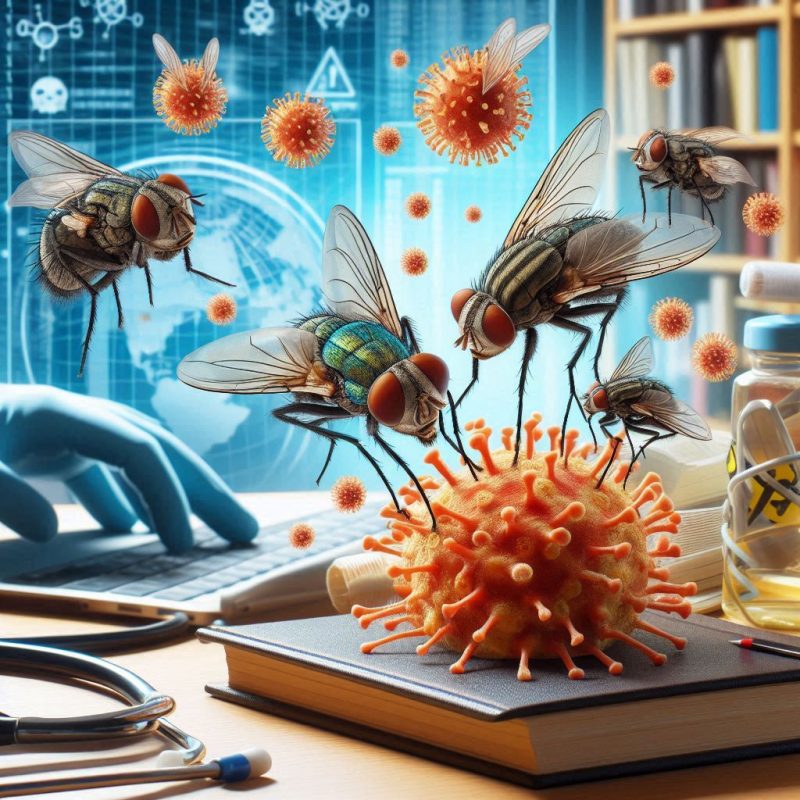
Houseflies are known for their rapid reproductive ability, forming large colonies in a short time under favorable conditions. Their breeding grounds are typically warm, humid environments with abundant organic matter. Here are some of the most common places where houseflies lay their eggs:
Garbage Areas: Open trash and food waste provide an ideal breeding ground for houseflies.
Animal Waste: Barns and farms with animal feces create optimal conditions for fly larvae.
Wet and Damp Surfaces: Moist soil, stagnant water, and swampy areas facilitate fly reproduction.
Compost Piles: Organic waste-rich compost heaps serve as another prime spot for fly larvae.
What Is the Housefly Reproduction Cycle?
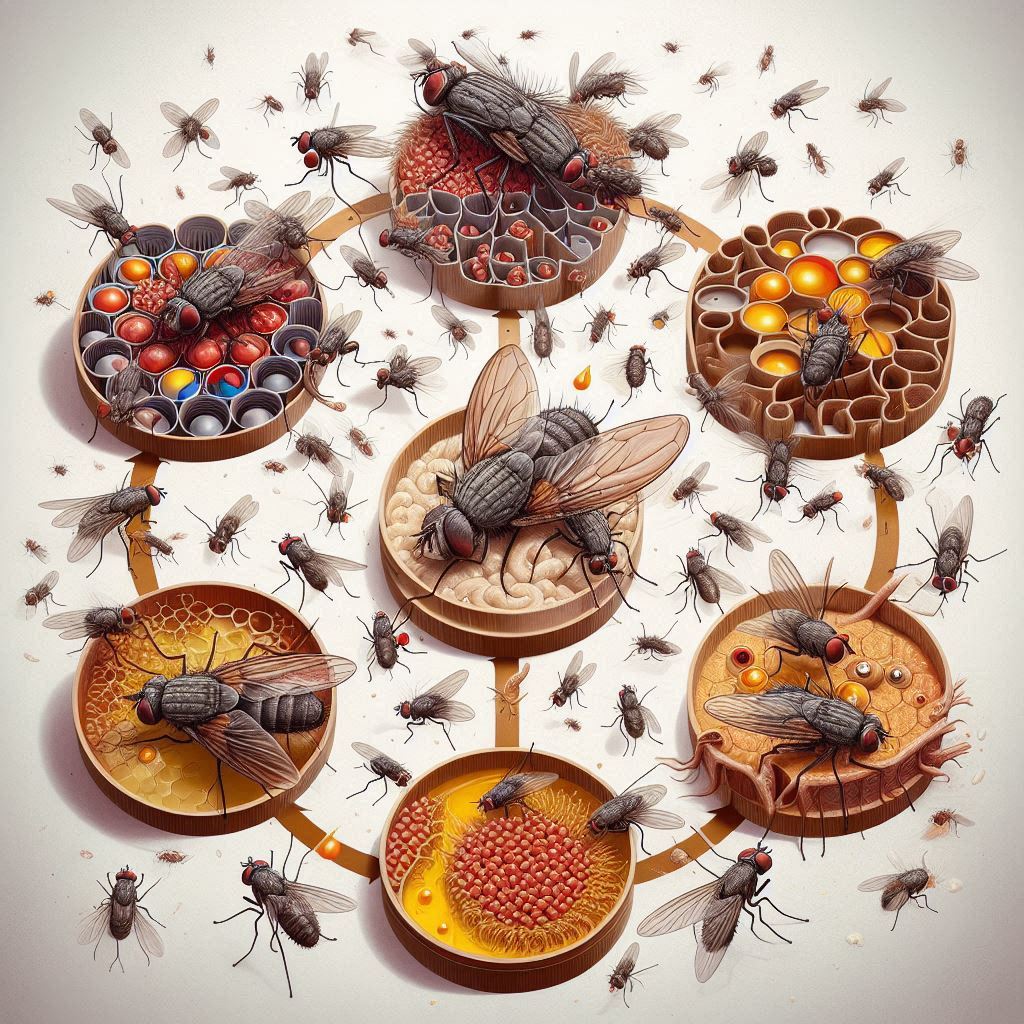
Houseflies go through a simple life cycle consisting of four stages: egg, larva, pupa, and adult fly. The process unfolds as follows:
Egg: Female flies lay eggs in organic material that serves as a food source.
Larva (Maggot): The eggs hatch into larvae, which feed and grow rapidly.
Pupa: The larvae transition into pupal form, developing inside a protective shell.
Adult Fly: The pupal casing opens, and the adult fly emerges, ready to reproduce.
How Can the Reproduction Cycle Be Disrupted?
Breaking the housefly reproduction cycle is a crucial step in population control. One of the most effective ways to do this is through the strategic use of fly traps.
Strategic Placement of Traps: Positioning fly traps near breeding sites helps capture adult flies before they lay eggs.
Selecting the Right Trap Type: Sticky boards, pheromone-based traps, and light traps are highly effective in attracting and capturing flies.
Regular Trap Maintenance: Keeping traps clean ensures their efficiency and prevents further fly infestations.
Maintaining Hygiene: Keeping breeding sites clean and eliminating organic waste is essential for interrupting the cycle.
The Importance of Fly Traps
Fly traps offer a long-term solution for managing houseflies. They are especially effective in farms and outdoor spaces, significantly reducing fly populations. By providing an environmentally friendly alternative to chemical treatments, fly traps are a safer method for both human health and ecological sustainability.
Managing houseflies can be challenging, but with the right strategies and trap usage, their life cycle can be effectively halted. Implementing these measures is crucial for maintaining a hygienic environment and minimizing health risks.


 admin
admin